
Gaps in Post-Discharge Support and How to Prevent Them

For many people, the day they leave hospital feels like the finish line. In reality, it is often where the hardest part begins. The weeks following discharge, navigating new medications, waiting for community services to start, and adjusting to daily life without the structure of ward-based care can be as demanding as the time spent in the hospital itself. When the right support is not in place from the very beginning, recovery stalls, health deteriorates, and families are left to fill the gaps without the training or resources to do so safely.
Common Challenges After Mental Health Discharge

Leaving a mental health inpatient setting is a significant moment for the individual, for their families and the people supporting the discharge, who were present every step of the way. For many people, it brings mixed feelings of relief and happiness, as well as uncertainty, because the transition from hospital to home is rarely straightforward. A range of practical, emotional, and systemic challenges can arise in the weeks and months following discharge, making this one of the most sensitive periods in a person’s recovery. Here, we want to discover what discharge planning actually involves, the specific difficulties people face after leaving inpatient care, what genuinely safer transitions look like, and how the right support makes a real difference.
Essential Training for Support Workers in Complex Mental Health

Supporting people with complex mental health difficulties calls for more than goodwill and compassion. It requires a structured programme of specialist training for support workers that gives them the knowledge, skills, and confidence to do their job safely, lawfully, and with genuine care for every individual they work alongside. This guide covers the core training areas every complex mental health support worker should have, and why each one matters in practice.
How to Choose a Mental Health Staffing Agency – 7 Questions Providers Should Ask

Finding the right mental health staffing agency is one of the most consequential decisions a service provider can make. The agency you work with directly shapes the quality of care delivered to the people you support, the safety of your service, and your ability to stay compliant in a sector that demands the highest professional standards. Productive staffing starts with asking the right questions, and this guide gives you seven precise ones to ask before committing, so you can make an informed choice, not just a convenient one.
Long-Term Effects of Delayed Discharge on Well-Being
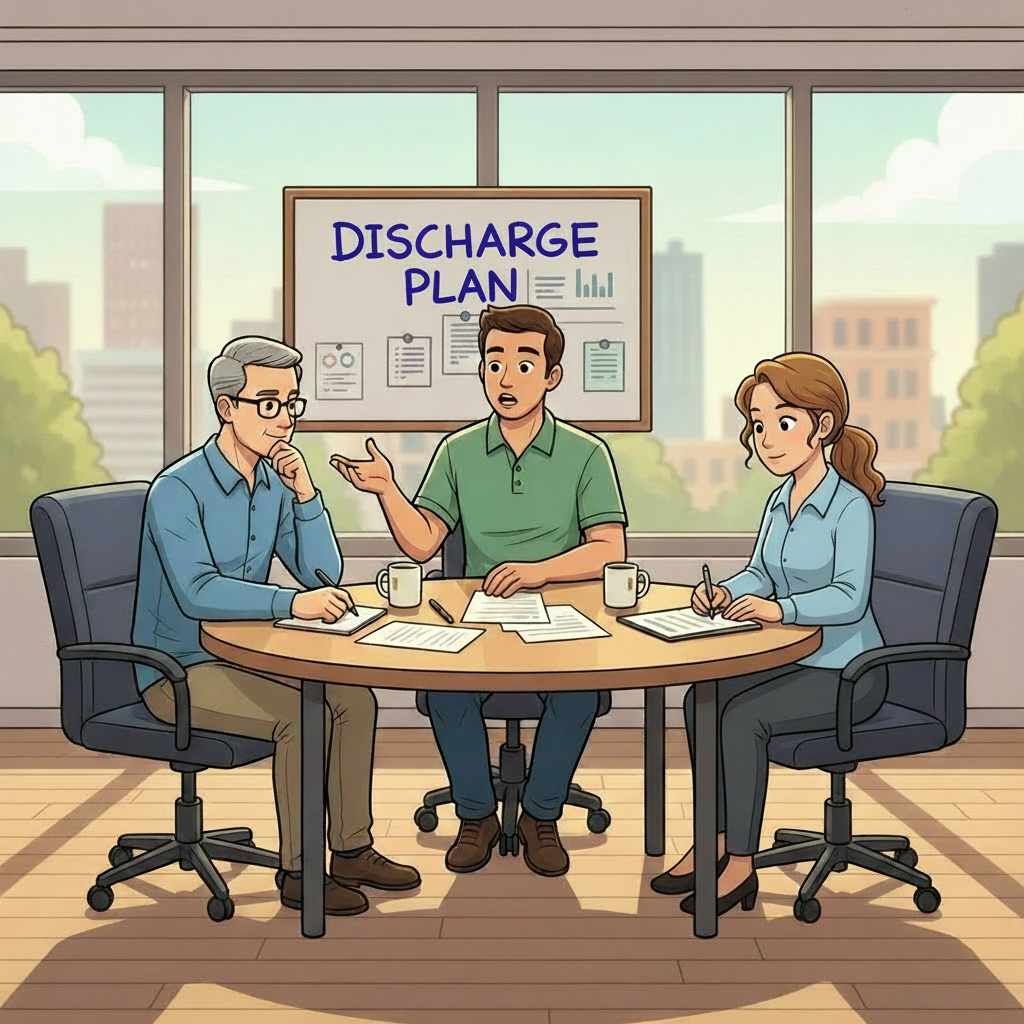
Delayed discharge does far more than keep hospital beds occupied. It can shape a person’s long-term physical, psychological, and social well-being and determine how successfully they rebuild life in the community. Understanding these effects and the strategies that prevent delays in the first place is key to designing discharge pathways and community transitions that protect people’s rights, dignity, and independence.
Support Worker CV Example: How to Write a Professional CV That Gets Interviews

Creating a professional support worker CV is about presenting your person-centred values, compassionate approach, and ability to make meaningful differences in people’s lives. Your CV is your first introduction to potential employers, offering a snapshot of your dedication to providing holistic care and humanised support. Whether you’re stepping into care for the first time or looking to progress your career, this guide will help you shape a support worker CV that stands out for the right reasons and leads to interviews.
Community Support Worker: Roles, Responsibilities and Skills

Community Support Workers are vital pillars of healthcare and social care systems, bridging the gap between clinical and holistic services in the everyday lives of people who require additional support. These dedicated professionals work closely with people in complex situations with multiple needs, whether physical, emotional, or social, creating pathways to greater independence and improved quality of life within community settings with the right support.
Reducing Hospital Admissions with Proper Care

How to reduce, and even avoid, hospital admissions is a question many health and social care professionals, families, and people receiving care ask these days. The system is clearly burdened, even though many admissions are entirely preventable through proper community-based care and proactive support planning. This guide explores evidence-based strategies and comprehensive care approaches that sustain people’s health, independence, and quality of life through appropriate care in local community settings.
Challenges in Reducing Hospital Readmissions

Hospital readmissions are a significant burden on the UK’s healthcare system, with profound implications for patients’ well-being and recovery, healthcare costs, and overall care quality. When individuals return to the hospital shortly after discharge, it often signals gaps in support, inadequate discharge planning, or unmet needs during the transition to community care. The challenge of reducing hospital readmissions is particularly acute in mental health and complex care settings, where people frequently face multiple, interconnected health and social needs. This blog explores the key barriers healthcare providers face in reducing readmissions and presents evidence-based key strategies to improve health outcomes and create more sustainable models of ongoing care.
Autism Caregiver Responsibilities

Supporting an autistic person requires patience, understanding, and a commitment to person-centred care. Autism caregivers play a vital role in fostering independence, promoting well-being, and creating environments where autistic people can thrive. Whether supporting someone in residential care, a community setting, or at home, caregivers must recognise that each autistic person has unique communication needs, sensory sensitivities, and preferences. This guide outlines the key caregiving responsibilities, essential skills, and best practices that define effective autism support, while acknowledging the considerable heightened stress and emotional burden that caregiving duties can bring. That is why understanding coping strategies and accessing support networks are equally important for caregiver well-being as they are for the people they support.