
7 Practical Ways to Prevent Mental Health Hospital Readmission After Discharge
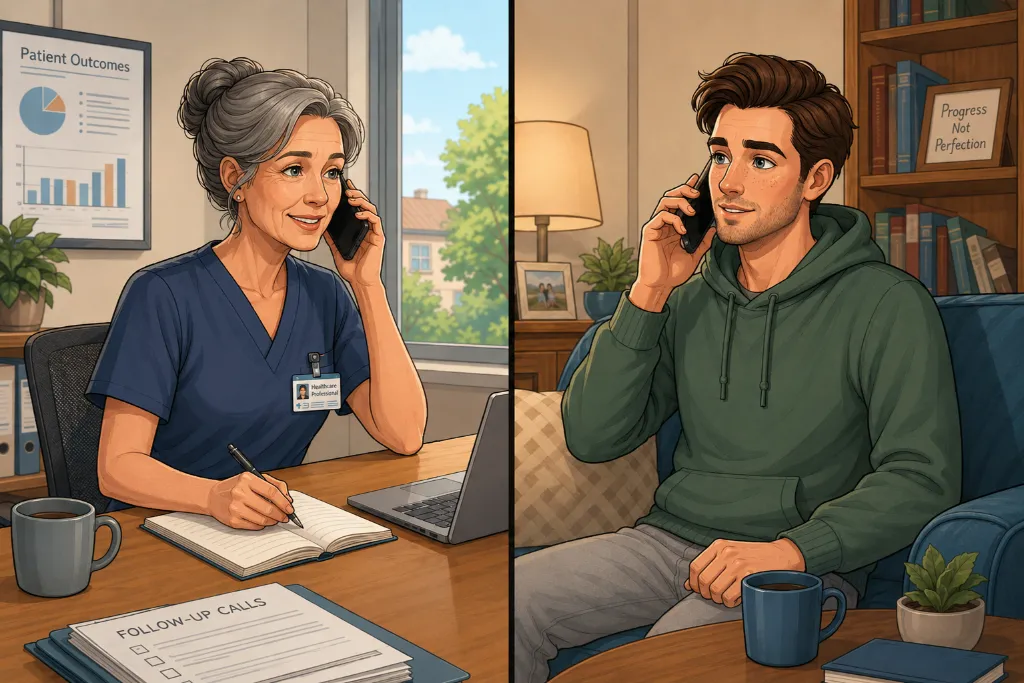
Mental health discharge often refers to people finally returning to their homes, but for most people, it feels like stepping onto a new, uneven path. The support of the ward falls away, everyday life returns in full, and the person is asked to stay well in a setting that may still hold the stressors that contributed to their admission. Preventing readmission means looking honestly at the vulnerable phase and putting practical, achievable supports in place: clear plans, consistent follow-ups, structured routines, and community-based care that does not disappear once the hospital door closes.
The Role of Family and Caregivers in Community Transition Services

When someone moves from the hospital back into the community, the support they receive from services is only part of the picture. The steady presence of family and caregivers, the people who know them best, home environment adjustments, and community resources that ensure greater independence often make the difference between a fragile transition process and a seamless transition. Community transition services work best when they put the person’s well-being at the centre of the transition, recognise families and carers not as “visitors”, but as essential partners in care and ongoing support.
5 Signs a Placement is at Risk of Breakdown

When a placement starts to show signs of breakdown, it almost never happens overnight. Small changes in the person’s behaviour, slight modifications in staff dynamics, or miscommunication in multi-agency working appear long before anyone formally acknowledges that the stability of the particular placement is at risk.
If these early warning signs are noticed and acted on, there is often an opportunity to stabilise things, protect the person’s home life, and avoid the distress and costs of breakdown, readmission, or an out-of-area placement.
How to Plan a Low-Anxiety Transition to Community Care

For many people, the possibility of leaving the hospital is a step into uncertainty. The ward, despite all its limitations, has become familiar: the routines, the staff, the structure. In contrast, home can feel very distant and unpredictable. Planning a transition process means acknowledging that reality and putting in place everything the person needs to feel not just clinically safe but genuinely ready. So, what do we do when the healthcare system is not ready to provide the support that is needed? We step up – with a plan, a care team in place, and a well-coordinated process.
When Should Commissioners Use a Specialist Community Transition Provider?
Commissioning the right community transition services is one of the most consequential decisions a commissioner makes. The period between hospital discharge and stable community living is, for many people with multiple care needs, the most vulnerable stretch of their entire care journey.
Get it right, and people rebuild their lives. Get it wrong, and the revolving door of readmission, placement breakdown, and escalating cost begins to turn.
What is PROACT-SCIPr-UK®?: A Guide for Support Workers
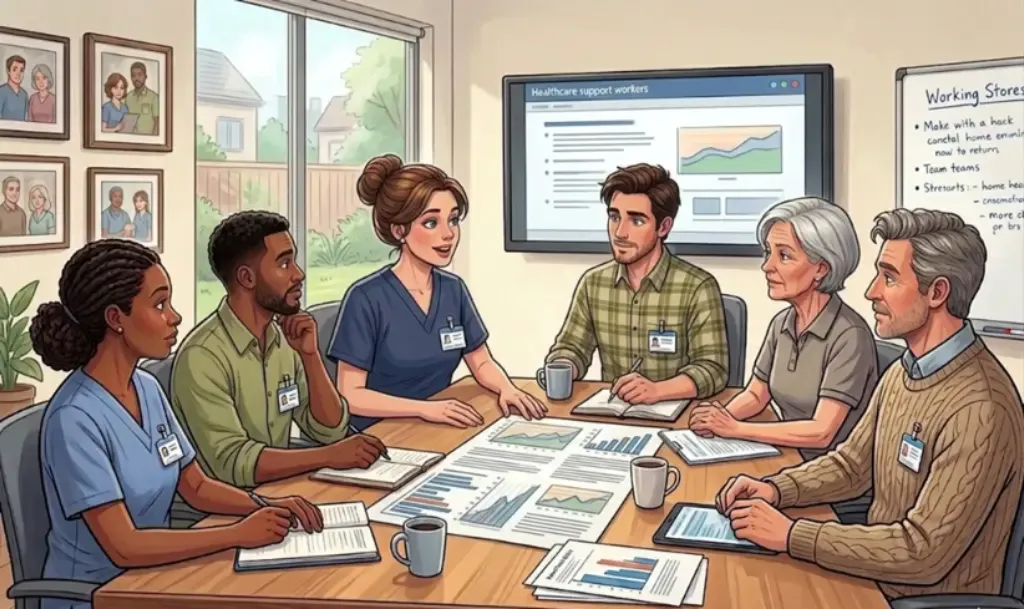
PROACT-SCIPr-UK® is part of the Positive Behaviour Support (PBS) practices developed to support people with diverse needs and behaviours that challenge to lead an independent and fulfilling life in the community. PROACT-SCIPr-UK® gives support workers a clear, humane framework for responding to distress and behaviours of concern in ways that protect people’s basic human rights, reduce restrictive practices, and build safer, calmer lives for everyone involved. Rather than focusing on “stopping behaviour”, it helps us to understand the person behind the behaviour, and put the right support in place before things reach a crisis point.
The Benefits of Rapid Response Teams in Community Mental Health Services

Behind every mental health crisis is a person, someone’s parent, partner, child, or friend, who has reached a point where they can no longer manage alone. What happens in the hours that follow defines much of what comes next. Rapid response teams exist to ensure that what follows is not a lengthy wait, a crowded Accident & Emergency unit, or silence, but a skilled, compassionate, and timely response that meets people where they are.
How Respite Care For Mental Health Prevents Caregiver Burnout
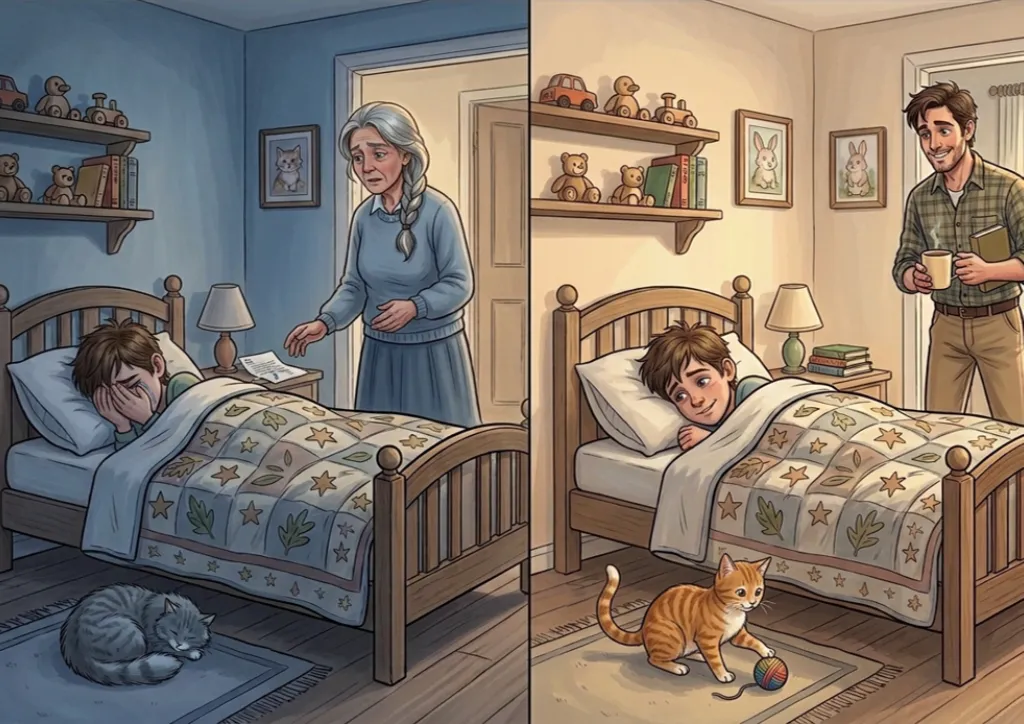
Caring for someone with a mental health condition is one of the most meaningful things a person can do, and one of the most demanding. Without regular breaks, even the most committed carers can find their own health and resilience beginning to suffer. Respite care exists precisely to prevent that from happening. We will explain what mental health respite care involves, why it matters, and how to know when it might be time to seek it.
What to Expect When a Support Worker Comes Over

Having a support worker visit your home for the first time can bring a mix of feelings for the whole family: relief, uncertainty, and perhaps a few questions about what will actually happen when they arrive. This guide is written for you as a family. Whether you are a parent, partner, sibling, or close friend stepping into a caring role, the sections below walk you through what to prepare, what to ask, and how to help build a support arrangement that works for everyone at home.
Early Warning Signs of Mental Health Deterioration

Mental health conditions rarely develop without warning. Early signs, such as subtle shifts in mood, behaviour, and daily functioning, show that something is changing. Spotting these signals early and responding with the right support can make a real difference to someone’s recovery and long-term quality of life.