
Why do Placement Breakdowns Happen?
Placement breakdown often occurs due to a complex set of factors, including:
- Unmet needs
- Insufficient planning
- Support systems that no longer match the person’s situation
Poorly planned transitions, limited access to specialist input, and ongoing communication gaps between agencies all increase the likelihood that a person’s behaviours will escalate until the placement feels “unsustainable” for everyone involved.
Poor Transition Planning
Many placements start to fail long before the person moves in. When discharge or move-on plans are rushed, generic, or developed without the person and their family, the new placement inherits risks that were never properly understood or planned for. When you notice staff trying to work things out on the fly, often under pressure and without a clear, shared plan, it means that somewhere along the transition plan, there was inadequate information about:
- Person’s history
- Triggers
- Sensory needs
- Support strategies
Lack of Specialist Support
Some placements are asked to support people with highly complex mental health needs, behaviours of concern, autism, or learning disabilities without the specialist input to meet those needs. Specialist teams, such as PBS services, intensive support or outreach teams, and community transition providers, exist precisely to prevent placement breakdown in people with multiple needs in complex situations. When these teams are not involved early, or when referrals are delayed until the placement is already in crisis, their ability to stabilise the situation is reduced, and out-of-area placements or readmissions become more likely.
Communication Breakdowns
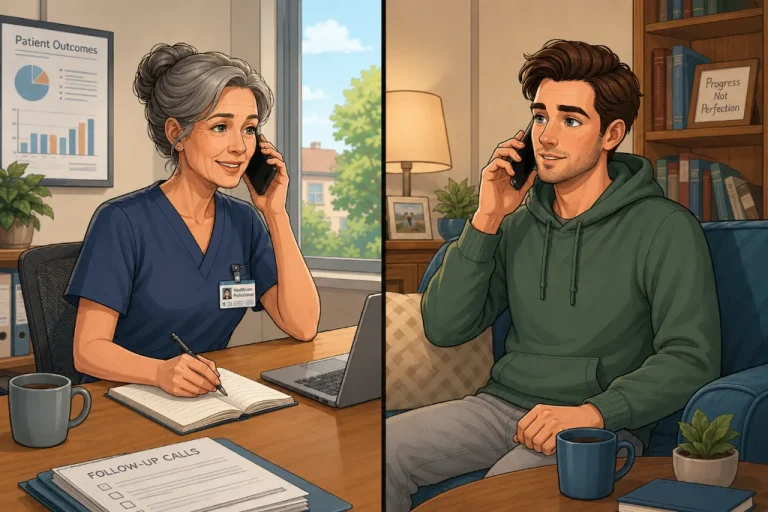
Placements involve multiple services: mental health teams, social care, education, primary care, and housing. When information doesn’t move reliably between these agencies, there’s a significant risk of something going wrong:
- Medication changes are not communicated
- Safeguarding information is delayed
- Early signs of deterioration are noticed but not shared
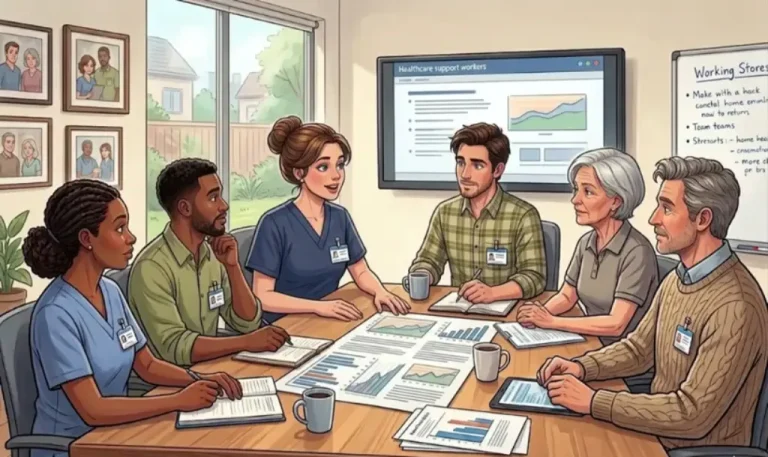
One of the strongest protective factors against placement breakdown is clear, regular, structured communication. Such as the one done through Multi-Disciplinary Team’s (MDT) meetings, shared plans, and clear escalation routes.
Sign #1 – Increasing Distress and Escalating Behaviours
The first, and often most important, sign that a placement is at risk is a noticeable increase in the person’s distress and the frequency or intensity of behaviours of concern. This might look like:
- More frequent outbursts
- Self-harm
- Aggression
- Withdrawal
- Property damage
- Repeated attempts to run away from the setting
What matters is the pattern over time. Behaviours that were once occasional become regular; incidents that were once mild become more intense; and the person seems less able to return to their baseline after such a situation. We should be mindful that for people with learning disabilities, autism, or complex mental health needs, behaviour is often one of the clearest forms of communication they have. When behaviour escalates, it is almost always signalling that something has changed, whether it is a shift in:
- The environment
- The support approach
- The person’s internal experience
Behaviour Changes That Signal Something Is Wrong
Changes in behaviour can be very individual, but there are some common early indicators that a placement is under strain:
- New or intensified behaviours of concern, such as aggression, self-injury, property damage, or escape
- Withdrawal from activities or relationships that previously mattered to the person
- Sudden changes in sleep, appetite, self-care, or daily routines
- Increased refusal of medication or support
- More frequent complaints from neighbours, school, or day services
These changes do not always mean the placement itself is “wrong”. Instead, they mean something is not working for the person. To investigate this, we might ask ourselves what has changed rather than how to stop this behaviour.
Why Does Early Intervention Matter?
When increased distress is noticed and promptly addressed by adapting the environment, reviewing medication, adjusting routines, or bringing in extra support, the person experiences themselves as understood, rather than as “the problem”. If teams act when the first indicators appear, they have far more room to:
- Adjust support
- Involve specialists
- Stabilise the situation
Sign #2 – Frequent Mental Health Deterioration or Crisis Episodes
Repeated episodes of mental health deterioration, crisis presentations to A&E, or urgent calls to crisis teams are strong indicators that a placement is not meeting the person’s needs effectively. This might show up as:
- Several short admissions in a close timeframe
- Frequent 999 calls
- Repeated usage of emergency services as their only route to support
For placements supporting people with complex mental health needs, this pattern usually signals a mismatch between the support on offer and what the person actually needs day-to-day:
- Medication regimens that are not working
- Gaps in psychological or occupational input
- Environmental stressors that repeatedly push the person past their coping capacity
Sign #3 – Increased Use of Restrictive Practices
Escalating use of restrictive practices, such as physical restraint, PRN medication used primarily to manage behaviour, seclusion, or constant 1:1 observations driven by fear, is another clear sign that placement stability is under strain. Restriction may be necessary at times to maintain safety, but when it becomes the dominant way a team is managing risk, it usually means underlying needs have not been understood or met. High levels of restriction carry serious risks in their own right:
- trauma for the person and staff
- increased likelihood of injury
- breakdown of trust that makes future support harder
The Importance of Positive Behaviour Support (PBS)
Positive Behaviour Support provides a practical, ethical framework for reducing restrictive practices by understanding the reasons for behaviour and building better alternatives. PBS asks three questions:
- What is this behaviour communicating?
- What in the environment or routine is making it more likely?
- What skills or supports could we build so the person does not need this behaviour to get their needs met?
PBS-informed placements focus on quality of life, teaching new skills, and adapting environments, rather than “managing” behaviour through control alone. Evidence from intensive PBS programmes shows that this approach can:
- Prevent residential moves
- Reduce behaviours of concern, especially children’s behaviour
- Bring positive outcomes and support placement stability, such as maintaining home or community placements that would have otherwise broken down
Sign #4 – Breakdown of Multi-Agency Communication
When placements are at risk, it is common to see widening gaps between the people and services that should be working together:
- Meetings are cancelled or not followed up
- Professionals hold different versions of the person’s story
- Families feel they are repeating themselves without being heard
- Care plans are not updated after incidents or changes
Poor multi-agency communication, especially at points of change, is a major contributor to adverse events, readmissions, and placement breakdowns. Warning signs include:
- No clear lead professional or coordinator
- Risk assessments and care plans are not shared across agencies
- Decisions made in isolation by one service
- Families who are excluded from key discussions or hearing about changes after the fact
Sign #5 – High Staff Turnover and “Care Fatigue”
High staff turnover, repeated use of agency staff, and noticeable “care fatigue” among the core team are powerful predictors of placement instability, even when they are not logged as formal incidents. People with complex care needs, especially young people, depend heavily on:
- Consistent relationships
- Predictable responses
- Staff who know them well
Care fatigue refers to staff who are technically present but emotionally exhausted, fearful, or resigned, often emerging in placements where incidents are frequent, support feels inadequate, and access to supervision or specialist backup is limited. This affects the person directly: subtle shifts in tone, patience, and body language can significantly increase anxiety. It also affects safety, as tired teams are more likely to:
- miss early warning signs
- rely on restrictions
- or disengage emotionally from the work
Preventing Placement Breakdown
Preventing breakdown is about recognising risk early and making the changes needed so a person can live safely and well in a setting that makes sense for them. That requires proactive assessment, person-centred planning, crisis-aware support, and a willingness to bring in additional expertise when needed.

Proactive Risk Assessment and Person-Centred Care Planning
Well-designed risk assessments and care plans are central to preventing breakdown, especially during transitions from hospital to community care system. High-quality assessments cover clinical, functional, emotional, environmental, and social risks and translate them into practical plans that care professionals understand and can use in daily practice.
Person-centred planning means the person and their family are active participants, not passive recipients: their goals, fears, preferences, and definitions of a “good day” should be visible throughout the plan. When plans reflect real lives rather than generic templates, staff have a clearer sense of what they are working towards and how to adapt support when things change.
Crisis Prevention and Rapid Response Services
Many placements do well on a day-to-day basis, but struggle when crises hit, especially out of hours. Access to crisis prevention and rapid response support can be the difference between a difficult weekend and a permanent move. Multidisciplinary teams, community transition services, and a 24/7 model with rapid mobilisation, allowing placements to stabilise situations without defaulting to admission or requesting a breakdown.
Nurseline Healthcare’s Community Transition Services and crisis stabilisation support operate on a 24/7 model with rapid mobilisation, enabling providers and commissioners to quickly bring in extra capacity when a placement becomes risky.
Data-backed Decision Making
Placements generate a wealth of information: incident reports, safeguarding alerts and concerns, missed visits, medication errors, crisis contacts, and more. When captured and reviewed systematically, this data can highlight early patterns that signal risk long before a placement reaches crisis. Useful Key Performance Indicators (KPI) include:
- incident rates and severity over time
- frequency of missed or cut-short visits
- repeat emergency referrals or short-stay admissions
- staff sickness and turnover trends
What Successful Placement Stability Looks Like
Stable placements do not mean a process without errors, but rather a process in which, when difficulties arise, the system around the person responds in ways that protect safety, dignity, and long-term growth.
Improved Wellbeing and Independence
In a stable placement, the person’s well-being gradually improves: crises become less frequent, daily routines become more predictable, and the person gains confidence in managing their own life. They may need care professionals to provide support initially, but over time, many people can develop new skills and reduce their reliance on constant supervision when the right environment and relationships are in place.
Reduced Crisis Interventions
Successful placements are characterised by fewer emergency admissions, reduced use of restrictive practices, and less reliance on urgent services. When PBS, good planning, and responsive support are in place, early signs of deterioration are picked up and addressed long before the hospital becomes the only option. This is better for the person and significantly better for the system’s use of finite hospital beds and crisis resources.
Positive Relationships and Community Participation
Perhaps the clearest sign of stability is that the placement feels like a real life, not just a service. The person develops positive relationships with staff, family, and peers. They participate in community activities, and they are known in their local area. Case studies from PBS and transition programmes show that when placements are well-designed and well-supported, people who were once considered “too complex” for the community can maintain education, work, social networks, and meaningful roles close to home.
From Community Transition to Stable Placements with Nurseline Healthcare
Nurseline Healthcare works with people whose placements are at risk, or who are moving out of the hospital into a new community placement, to stabilise, strengthenm and sustain their lives in the community, Through Community Transition Services and crisis stabilisation support, Nurseline Healthcare provides PBS-informed, multidisciplinary teams that work alongside existing providers to understand what is going wrong, implement practical changes, and stay involved until the situation is genuinely safer and more settled.
For commissioners, social workers and providers, this means having a specialist partner who can respond quickly when early warning signs appear, rather than waiting until a placement has broken down and only costly out-of-area or inpatient options are the only remaining options.
For the people at the centre of those stable placements, it provides a positive experience: a chance to stay within the community, close to the relationships and routines that matter to them, with a team around them who believes that stability is possible and is prepared to work hard to achieve it.
For more information on how we can work together, contact us today!