
Importance of Reducing Hospital Admissions
Hospital treatment saves lives, yet time in an inpatient setting is rarely anyone’s first choice. For many people, a hospital stay brings disruption to daily routines, separation from loved ones, loss of independence, and, in some cases, exposure to unfamiliar environments, which may heighten anxiety or distress. For autistic people, people with a learning disability, and people in complex situations with multiple needs, the sensory overload associated with hospital settings can be particularly overwhelming.
Avoidable admissions and unnecessary long stays place a heavy strain on the health and social care sector. Beds occupied by people who could be supported safely in the community limit capacity for others with urgent physical or mental health needs. This contributes to long waiting times, pressure on emergency care departments, and workforce burnout as teams work under sustained demand.
What’s more, unnecessary admissions are also closely linked to quality of life. Responsive care in the home or community setting allows people to maintain positive relationships with their families, interests, and local networks. When people are supported to live where they feel most comfortable, with consistent, trusted staff, they are more likely to feel heard, respected, and involved in decisions about their care.
Effective Hospital Avoidance Models
Evidence from UK programmes shows that targeted interventions can significantly cut avoidable admissions. The Discharge to Assess (D2A) model, rolled out widely by NHS England, supports timely discharge by shifting assessments to the community, where possible. An NHS England report estimated that, using this approach, 28% fewer patients stayed in hospital for over 21 days.
The Care Home Innovation Programme (CHIP), based on quality improvement principles, involved multidisciplinary teams, new protocols for everyday issues, and 24-hour tele-video systems in care homes. Over four years, it achieved a 15% drop in emergency calls and a 19% reduction in transportations to hospital settings, proving effective, especially for care home residents.
Preventable admissions and readmissions profoundly affect people, families, and services. Thoughtful, well-coordinated care through community health services can keep people safer in their own homes, reducing distress and freeing inpatient beds for those who truly need acute treatment.
Value-based care prioritises outcomes over volume, with proactive planning initiated at the time of admission. Where clinically safe, home-based care is better for people’s well-being and improves the system’s cost-effectiveness.
Common Risks of Preventable Hospital Admissions and Readmissions
Avoidable hospital admissions rarely stem from one single issue. They often arise when several risk factors accumulate: unmanaged symptoms, gaps in follow-up, delayed responses to early warning signs, or breakdowns in communication while providing health care. Understanding these risks makes it easier to genuinely support people, prevent crises, and reduce the need for hospital admission and treatment.
Medication Mismanagement
Medication errors, non-adherence, and inadequate medication management represent major contributors to preventable hospital admissions, particularly for people managing chronic conditions requiring multiple medications. Additionally, unrecognised medication side effects, dangerous drug interactions, and gaps in medication enable conditions to worsen without timely interventions. Practical medication management support proves essential, such as:
- Dose administration aids such as pill organisers
- Reminder systems
- Clear and jargon-free explanations
- Assistance from support workers or family members
- Regular medication reviews, conducted by pharmacists or primary care providers

Lack of Primary Care
Access to responsive, trusted primary care is one of the strongest methods to prevent unnecessary admissions. When people can see a General Practitioner (GP) or primary care team promptly, concerns can be assessed early, and treatment can begin before the need for acute care emerges.
Lack of access to primary care can be especially risky for people in complex situations with multiple needs, including mental health illnesses, substance use issues, or co-existing physical health conditions. Most of the people struggle to book appointments or face long waits. Those who work irregular hours, have limited childcare, or live in rural areas may find it particularly hard to attend.
Lack of Communication
Inadequate communication between primary care providers, specialists, community care workers, and patients themselves represents a significant risk factor for preventable hospital admissions. When healthcare professionals lack current information about patients’ recent medical events, medication changes, or treatment plans, opportunities for coordinated, optimal care are lost. Poor communication regarding diagnosis and treatment plans decreases patient engagement and understanding, reducing adherence with preventive recommendations and disease management strategies. Systematic approaches to tackle communication failures include:
- Readily accessible medical records shared across care settings
- Modern electronic health record systems
- Consistent conversations between providers
- Structured handoff procedures that ensure critical information transfers between providers
- Consistent engagement with patients and families to understand their diagnoses, medications, and action plans
Inadequate Continuity of Care
Continuity of care means more than simply having services in place. It involves stable relationships with trusted staff, consistent approaches across teams, and smooth transitions whenever care settings change. People may experience changes in support workers, nurses, or clinicians. Each new person needs time to learn about their history, preferences, and triggers, which can be unsettling and may lead to repeated assessments instead of timely support. For individuals who have experienced trauma or coercive practices, seeing many unfamiliar faces can reduce their sense of safety and control.
Transitions between hospital and home are particularly sensitive. Without structured handover, community teams may not feel prepared to support someone whose needs have changed during admission. Equipment, housing adaptations, or social care packages might not be in place. This can create a revolving door where people are discharged only to be readmitted soon afterwards because the community environment cannot yet support them.
Mental Health Crisis
Mental health crises are one of the most common reasons for emergency admissions. In many cases, hospital admission is a response to a crisis that has been building over time, with inadequate community support. The reasons are multiple, including:
- Intense distress
- Suicidal thoughts
- Feelings of hopelessness
- Self-harm
- Behaviours that others perceive as risky or frightening
- Early warning signs, such as sleep disturbance, withdrawal, changes in appetite, or increased use of substances
Accessible, trauma-informed crisis services and recovery-focused community support reduce the likelyhood of hospitalisation. Rapid responses at home, collaborative safety planning, and strengths-based psychological and practical support can de-escalate many situations. When people know there is a listening, non-judgemental team available to them, they are more likely to seek support before reaching a point where they no longer feel safe.
The Role of Proper Care in Preventing Hospitalisation
Proper care is not a single intervention. It is a way of working that puts the person at the centre, recognises the impact of social and environmental factors on health, and values continuity, trust, and collaboration.
Proper care that reduces hospital admissions tends to share several features:
- Proactive rather than reactive.
Teams look ahead to identify risks and early warning signs, before a situation reaches a crisis point. For example, a support worker who knows that a particular person becomes more anxious when routines change can prepare in advance for holiday periods or staff changes. - Integrated across services.
Rather than working in isolation, health care, social care and community partners share information and plan together. There is clarity about roles, escalation routes, and how to involve families and carers. The person’s voice remains central, with care plans written in accessible language that reflect their goals, strengths, and preferences. - Pays attention to emotional safety, not just clinical tasks.
People are more likely to engage with treatment and raise concerns when they feel respected and understood. Progressive, person-first language and emphatic communication help to build that trust. Teams take time to explain options, listen to fears, and validate experiences, which supports shared decision-making and long-term recovery.
Strategies for Reducing Preventable Hospital Admissions
Rather than waiting for health crises to escalate into emergency admissions, comprehensive prevention-focused approaches enable people to maintain stability, manage chronic conditions effectively, and live fulfilling lives outside hospital environments. Reducing avoidable admissions requires changes at multiple levels: individual, team, organisational, and system. Some practical strategies for preventing hospital admissions include:
Crisis Management and Rapid Response Care
When a situation escalates, speed and approach matter. People often turn to emergency departments or the police because they do not know where else to seek urgent help, or because community services are not available outside office hours.
Staffing services that can quickly fill urgent care gaps play a key role in crisis management. Nurseline Healthcare, for example, offers rapid response staffing for providers supporting mental health services to maintain safe staffing levels and prevent avoidable admissions. By supplying experienced support workers and Registered Mental Health Nurses at short notice, providers can gain capacity to support people at home or in community settings.
Rapid response systems provide immediate access to healthcare professionals capable of comprehensive assessment and treatment outside hospital settings, thereby preventing escalation to admission. These systems work most effectively when available 24 hours a day with short response times, experienced clinicians, and direct connections to community support services.
Personalised Care Plans
A personalised care plan is far more than a form in a file. It is a shared understanding between the person, their supporters, and professionals. It describes strengths, interests, communication preferences, daily routines, health conditions, and coping strategies. They set out what helps during periods of distress, what can trigger anxiety or behaviours of concern, and what steps to take when early warning signs appear.
Individualised care planning tailored to each person’s unique medical, social, and personal circumstances addresses not only medical needs but also:
- Housing stability
- Financial security
- Social support networks
- Mental health
- Personal goals
Plans should incorporate the person’s own perspectives and be reviewed regularly to adjust for changing conditions and events.
Holistic Approach to Care
Holistic care recognises that health and well-being are influenced by physical, emotional, mental, social, spiritual, and environmental factors. For instance, addressing social determinants of health, such as stable housing, adequate income, nutritious food, and meaningful social connections, removes barriers that otherwise drive deterioration in health and hospital admissions.
In practice, holistic care often involves:
- Working in partnership with social care, housing, voluntary sector organisations, and community groups.
- Paying attention to cultural, spiritual, and identity-related needs, including the impact of different forms of discrimination.
- Offering opportunities for meaningful activity, education, and employment where possible.
- Adopting trauma-informed practice, which recognises the impact of past harm and prioritises safety, control and choice.
Person-Centred Care
Placing the person’s needs, values, preferences, and goals at the centre of all healthcare decisions builds therapeutic relationships characterised by trust, respect, and genuine partnership. When people feel truly heard and understood, they engage more actively in their own care and manage their health conditions more successfully.
Key elements of person-centred care include:
- Seeing the person as a whole human being with strengths, preferences, relationships, and aspirations.
- Using language that focuses on the person first and avoids labels that reduce people to conditions.
- Supporting people to make informed choices and respecting their right to take reasonable risks where they understand the implications.
- Adjusting communication styles to enable the person to fully participate, whether through interpreters or communication aids.
- Involving families and carers, while still respecting confidentially and independence.
Primary Care and Chronic Disease Management
High-quality primary care anchors prevention by providing regular contact with healthcare professionals, systematic monitoring of chronic conditions, optimisation of medication regimens, and patient education, enabling effective self-management. Disease management programmes for conditions like diabetes, heart failure and COPD enable structured monitoring, patient education, and early intervention when problems occur.

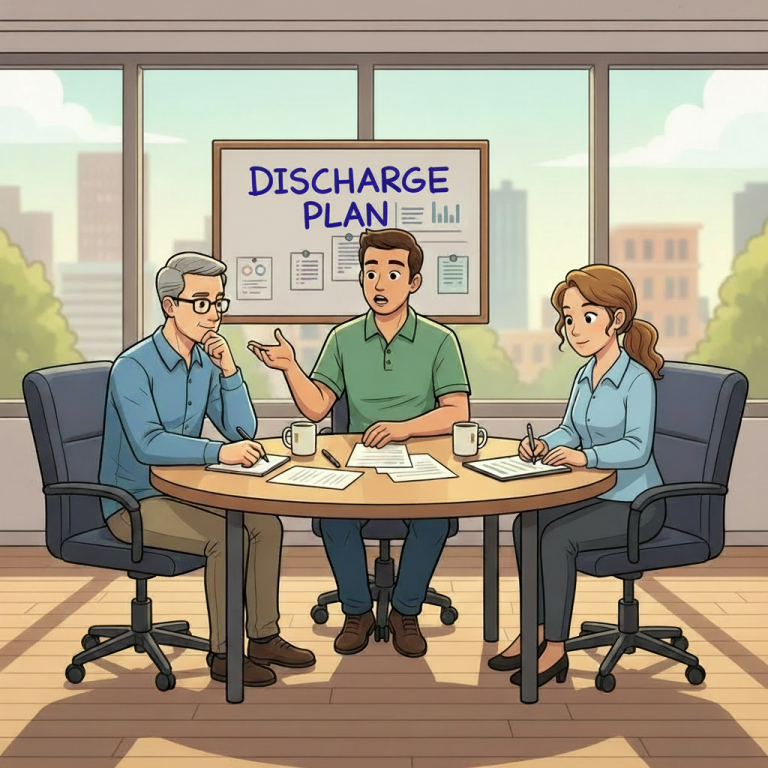
Proactive Discharge Planning
Effective discharge planning begins upon patient admission to coordinate post-hospital care, identify community support requirements, and arrange necessary services before discharge occurs. Value-based care approaches focus on patient outcomes rather than procedure volume, creating incentives for healthcare systems to invest in comprehensive discharge planning to prevent readmissions.
Healthy Lifestyle and Prevention
Regular physical activity (150+ minutes per week), a nutritious diet, adequate sleep (7-8 hours per night), and stress management help prevent the development of chronic disease and the acute worsening of existing conditions. Lifestyle interventions tailored to individual circumstances and supported through education prove most effective.
Nurseline Healthcare is Dedicated to Preventing Avoidable Hospital Admissions
Nurseline Healthcare specialises in healthcare staffing solutions that support providers to avoid unnecessary hospital admissions and readmissions. Recognising that proper care requires far more than clinical interventions, the organisation develops individualised teams of support workers and clinicians carefully matched to each person’s specific needs, preferences, and circumstances.
Nurseline Healthcare’s in-house multidisciplinary team ensures that all the person’s needs receive coordinated attention, through integrating:
- Health management
- Mental health support
- Practical assistance with daily activities
- Social support
- Housing and financial stability
Rather than imposing standardised protocols, we develop care that is truly responsive to what matters to each person. Additionally, our teams integrate support through partnerships with healthcare providers and local authority services across the UK, preventing communication gaps and continuity failures that frequently drive preventable admissions.
For people, families, and healthcare providers seeking to prevent unnecessary hospital admissions, Nurseline Healthcare offers comprehensive, evidence-based support grounded in a genuine understanding of people’s needs and an unwavering commitment to enabling independence, dignity, and well-being. You can find us in our Bristol office, or fill out our Contact Form, but we are also available 24/7 – via our emergency phone number: 0345 894 2264.