
Hospital Readmissions in Mental Health and Complex Care
Each readmission disrupts recovery, intensifies psychological distress, and often signals that necessary support structures have failed. For people with mental health conditions, readmission frequently represents a traumatic return to crisis, undoing progress made during community integration. The Division of Clinical Psychology (DCP), within the British Psychological Society (BPS), has highlighted that readmission becomes a circle: those with repeated admissions frequently have longer histories of service engagement and often experience damaged relationships with health services. For the elderly patients and people with multiple needs in complex situations, readmission is associated with progressive functional worsening and, for some, increased risk of mortality.
Why Reducing Readmissions is Critical for Positive Outcomes
Reducing hospital readmissions directly improves health and clinical outcomes and lowers healthcare costs. The importance of this work centres on several key considerations:
- Better long-term recovery. People who remain stable in community settings experience improved health, greater independence, and higher quality of life compared to those who experience repeated hospitalisations.
- Financial sustainability. Hospital readmissions are costly, consuming significant NHS resources that could otherwise support community services, prevention programmes, and early interventions. In numbers, this means that 30-day emergency hospital readmissions across England cost the NHS £1.6 billion annually.
- Care quality improvement. Low hospital readmission rates indicate that healthcare systems are meeting people’s needs effectively, identifying risks early, and providing appropriate support at the right time and in the right setting.
- Reduced emergency department visits. Each readmission prevented a decrease in emergency department burden, helping trusts manage capacity and respond to emergencies.
Key Challenges in Reducing Readmissions
Readmission reduction requires healthcare systems to address multiple, interconnected challenges. Each barrier exists within broader systemic pressures, and sustainable solutions must tackle root causes rather than symptoms alone. Reducing unplanned readmissions remains a persistent challenge across health and social care systems, particularly for people who require complex care, autistic people, people with a learning disability, mental health needs, and long-term physical health needs.
Insufficient Discharge Planning and Transitional Care
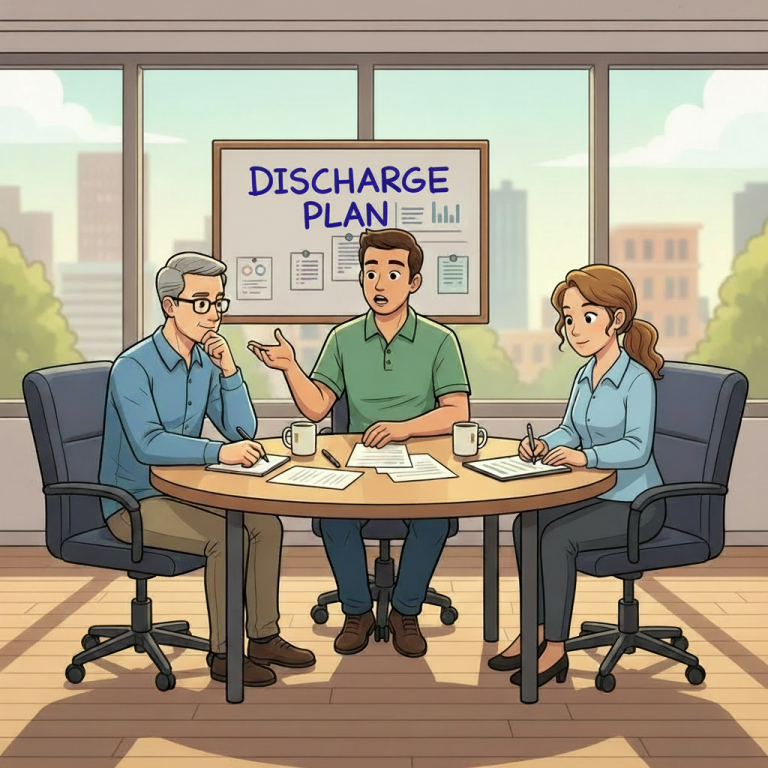
Many people leave the hospital without a comprehensive assessment of their post-discharge needs or clear plans addressing how these needs will be met. Comprehensive discharge planning requires a thorough evaluation of medical, psychological, social, and environmental factors. A process that demands time, multidisciplinary input, and meaningful engagement with the person transitioning to community care. However, pressure on hospital teams, combined with insufficient staffing, often results in incomplete discharge planning. This becomes particularly problematic for people with multiple health conditions, complex medication management, or significant social support needs, who require the most careful and detailed planning.
One more fact to bear in mind: The Division of Clinical Psychology emphasises that people are often discharged “when the severity of their symptoms decreases and not when they have sufficiently recovered,” which can increase the risk of unnecessary hospital readmission.
Lack of Communication Between Multidisciplinary Teams
When community services are not informed about discharge planning or do not participate in developing transition care plans, disintegration occurs. This communication breakdown happens despite widespread recognition of its importance, often reflecting systematic issues rather than individual failure. Hospital and community teams operate under different organisational structures, use separate information systems, face different time pressures, and may lack established communication protocols or relationships.
The consequences are significant. Community mental health teams may not know about medication changes, individuals may miss follow-up appointments because community services were not informed of discharge dates, and emerging risks go unidentified because no single team maintains an overview of the person’s progress. Plus, when people experience sudden shifts in their care team, lose continuity of support, or receive contradictory guidance from different providers, their anxiety increases at the cost of a decrease in their engagement with the service providers.
Inadequate Follow-Up Care
When hospital discharge summaries are incomplete, contradictory, or delayed, community teams cannot provide appropriate follow-up care. A lack of timely and accurate follow-up after hospital discharge increases the risk of readmission.
Many people leave the hospital without scheduler follow-up appointments or with appointments scheduled too far in the future to identify emerging problems. Early contact with community services is crucial for identifying medication management problems, assessing recovery progress, addressing emerging health concerns before they escalate, and strengthening adherence to treatment plans.
But there are practical reasons and explanations behind this occurrence:
- Primary care services are often overbooked.
- Community mental health teams may lack the capacity for rapid assessment appointments.
- People may lack transport, have childcare or work responsibilities
Underfunded Community Mental Health Services
Community mental health services in many regions operate under severe community resource constraints, limiting their capacity to provide preventive and early intervention services. This underfunding results in waiting lists for assessments and treatment, restricted service hours, and the inability to provide intensive support to people in complex situations with multiple needs. For example, a person with a mental health condition, substance use difficulties, housing instability, and limited family support might cycle through hospital admissions when crises occur, rather than receiving community-based support that might prevent hospitalisation entirely.
When community services lack resources for proactive, preventive work, they inevitably become reactive, responding to crises rather than preventing them.
Strategies and Solutions to Reduce Hospital Readmissions

Reducing hospital readmissions requires comprehensive, coordinated implementation strategies addressing the multiple factors contributing to readmission risk. Here are a few particular approaches that show consistent capacity to improve health outcomes.
Strengthening Transitional Care Programmes
Effective transitional care interventions, including home visits by healthcare professionals, remote monitoring, and rapid access to community resources, significantly reduce the risk of readmission. The therapeutic interventions in the community, including family interventions, help reduce readmissions, along with crisis and home treatment teams and in-reach to inpatient services for community staff.
Transitional care coordination and programmes should be personalised, considering each person’s unique circumstances, preferences, and goals. This might involve:
- Risk stratification. Identifying people at the highest risk of readmission early, enabling targeted, intensive support.
- Medication reconciliation. Ensuring accurate medication lists, verifying people’s understanding of their medication regimens, and identifying medication-related risks.
- Housing support. Ensuring appropriate housing arrangements are in place before discharge addresses a fundamental barrier to community stability.
- Social support mapping. Identifying and strengthening family and community support networks, recognising that social isolation significantly increases the risk of readmission.
- Crisis planning. Developing clear plans for how individuals will access support if they experience deterioration or crisis, ensuring they know who to contact and how.
Investing in Mental Health Infrastructure
Community mental health services require adequate funding to provide timely assessment, evidence-based treatment plans, intensive support for people with multiple needs in complex situations, and crisis support capacity. This investment yields returns far exceeding costs, as each readmission prevented releases resources previously directed toward emergency and hospital care. Investment in mental health infrastructure should prioritise:
- Workforce development. Training and supporting mental health professionals, including nurses, therapists, psychiatrists, and support workers, to ensure adequate numbers and quality of staff.
- Service accessibility. Ensuring services are geographically distributed, culturally competent, and accessible to underserved patient populations, including people in remote areas and those facing additional challenges such as language differences or financial constraints.
- Early intervention services. Providing assessment and support as early as possible in the course of mental health conditions, preventing escalation and reducing the need for hospitalisation.
- Integrated care. Ensuring mental health services work seamlessly with physical health, substance use, and social care services, recognising the interconnected nature of these needs.
Creating Sustainable, Holistic Models of Care
Holistic care models recognise that health outcomes depend not only on clinical treatment but also on housing, employment, social connection, financial security, and access to community resources. For people with mental health needs, holistic approaches must include person-centred and trauma-informed care practices and careful attention to the person’s autonomy. This means:
Choice and control. Ensuring people are directly involved in choosing their own care, supporting autonomy and self-determination.
Trustworthiness. Ensuring care teams are consistent, reliable, and follow through on commitments, rebuilding trust if previous experiences have been negative.
Collaboration. Working genuinely in partnership with people using services, valuing their expertise regarding their own needs and circumstances.
Cultural sensitivity. Recognising and respecting cultural and individual differences in preferences, communication styles, and approaches to health and well-being.
Community-Based Crisis Response Teams
Community-based crisis response services provide immediate support, stability and continuity when individuals experience acute mental health difficulties, reducing potentially avoidable hospital readmissions. They are particularly valuable for people who may have a distrust of healthcare systems or have experienced previous safeguarding concerns. Crisis response approaches might include:
- Home visits by mental health professionals trained in de-escalation;
- Connection to peer support;
- Practical problem-solving addressing immediate stressors;
- Coordination with other services to address underlying issues.

Leveraging Technology for Better Outcomes
Technology can enhance care coordination, monitoring, and access to support services, enabling early identification of emerging problems.
Telehealth consultations reduce barriers to accessing care, particularly for people with mobility limitations, transportation difficulties, or anxiety about attending in-person appointments. Remote monitoring systems enable healthcare teams to track indicators of health status, such as medication adherence or symptom patterns, identifying emerging risks before they escalate. Digital care records accessible to multiple providers support seamless information sharing and care coordination. Text-based appointment reminders and automated monitoring reduce missed appointments, improving continuity of care.
Reducing Hospital Readmissions with Nurseline Healthcare
CTS (Community Transition Services) by Nurseline Healthcare includes rapid-response support workers who can be deployed to support individuals experiencing a crisis or requiring continuity of care during care transitions. By providing support workers with a clear understanding of the person’s preferences and concerns, rapid response teams can prevent hospitalisation and support people to maintain community stability. This requires significant investment in recruitment, training, and deployment of skilled support workers, alongside robust care coordination, supervision and quality assurance, all of which Nurseline Healthcare is wholly dedicated to.
Our services combine thorough discharge planning, multidisciplinary expertise, rapid-response capacity, and ongoing community support to create seamless transitions from hospital to home. The in-house multidisciplinary team includes Registered Mental Health Nurses, Positive Behaviour Support specialists and occupational therapists, ensuring comprehensive assessment and support across medical, psychological, functional and social domains.
A distinctive feature of Nurseline Healthcare’s approach is the ability to deploy rapid-response teams when individuals experience distrust of their previous care provider or when safeguarding concerns arise. Rather than relying solely on existing community services that might be sources of concern, Nurseline Healthcare provides dedicated support workers who can establish new, trusting relationships with people receiving care:
- Immediate support during crises or acute transitions, preventing unnecessary hospital readmissions.
- Continuity and consistent support, building trust and therapeutic relationships.
- Practical assistance with medication management, daily living activities, and managing appointments and services.
- Advocacy and representation of a person’s interests and preferences – particularly important for individuals who may struggle to self-advocate.
- Creating bridges between the person, their community, and available support services to facilitate connection and integration.
This approach ultimately benefits not only people receiving care and their family members, but also the broader healthcare system, by reducing demands on expensive emergency and hospital services and creating more sustainable, person-centred models of comprehensive care.
For more information about our services, please don’t hesitate to contact us. We are available during the holidays.