Why The Period After Mental Health Discharge is a Critical Stage of Recovery
Research shows that around one in five people discharged from acute mental health services in England are readmitted within six months, with many returning within just a few weeks. This early post-discharge period is clinically vulnerable because protective structures from the ward, such as 24/7 staff, clear routines, and quick access to help, are suddenly removed, while community mental health services may still be forming.
NICE’s NG53 guideline on mental health transitions and the Local Government Association’s framework for excellent discharge both emphasise that what happens after discharge, such as follow-up care, continuity of support, crisis planning, and community integration, is just as important as what happened in hospital. If this phase is not planned and supported, people can face:
- Gaps in medication
- Unclear follow-up
- Social isolation
- Practical problems that quickly erode their progress and increase the risk of readmission
Why do Readmissions Happen?
Readmissions usually don’t come out of nowhere. They happen when several pressures collide and build without timely support.
Symptom relapse is a major issue. People may experience a return or worsening of distress, psychosis, low mood, anxiety, or suicidal thoughts, sometimes triggered by stressors that are different from those present during admission. If early warning signs are missed or support options are unclear, crisis services or inpatient care units can become the default route back to help.
Lack of support or follow-up care is another common factor. When discharge planning is rushed or poorly coordinated, people can leave the hospital without clear information about medication, contacts, appointments, or who to call when things become difficult.
Difficulties adjusting to life after discharge, such as rebuilding routines, managing relationships, navigating work or benefits, and coping with stigma or social isolation, can all intensify symptoms and make it harder to stay well.
Practical Steps to Prevent Mental Health Hospital Readmission
Preventing readmission is about putting in place realistic, person-centred support and specialist services that make staying well in the community more likely. The steps below are practical actions that individuals, families, and services can take together.
1. Follow the Personalised Discharge Plan
A good discharge plan is a clear, agreed roadmap for what happens next. It should cover:
- Medication schedules
- Follow-up appointments with the GP and community mental health services
- Referrals to therapies and social support services
- Crisis plans and emergency contacts
- Peer support workers with lived experience
Following the personalised hospital discharge plan closely, especially in the first few weeks, reduces confusion and ensures that mental health care continues smoothly from hospital into the community. Where something in the plan feels unrealistic or unclear, it is important to raise it quickly with the care coordinator or community team so it can be adjusted.
2. Transitional Care Services
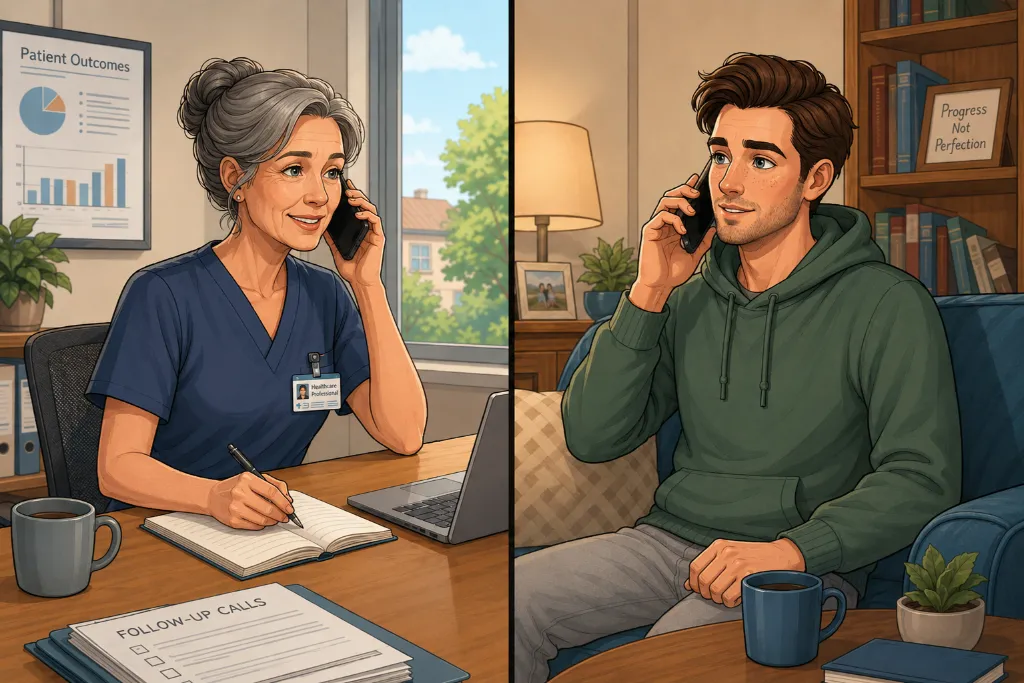
Transitional care, which provides structured support services before, during, and after discharge, has been shown to significantly reduce avoidable readmissions, especially when it includes joint discharge planning, follow-up calls, and home visits.
Nurseline Healthcare’s Community Transition Services (CTS) are designed specifically for this vulnerable phase. We work alongside NHS teams and local authorities to:
- Prepare for discharge early, not at the last minute
- Build tailored, person-centred plans that include family and carers
- Provide intensive support in the community immediately after discharge, then step down gradually as stability grows
- Stay in close contact with the person and providers until the transition is genuinely secure
By bridging hospital and home in this way, our transition support services reduce gaps in care, support medication and routine, and make it less likely that crises will lead straight back to inpatient wards.
3. Strict Medication Management
Medication is often central to staying well after discharge, but managing it can be complicated, bringing various mental health challenges along the way. Changes made in the hospital need a clear explanation. Side effects can appear or worsen at home. Prescribing responsibilities usually shift from hospital consultants to GPs or community teams. A few practical steps to avoid these medication high risks include:
- Keeping an up-to-date list of all medications, doses, and times
- Using reminders, pill organisers, or support from carers to avoid missed doses
- Attending medication reviews to discuss effectiveness and side effects
- Knowing who to contact (having a contact protocol) if medication runs out or causes problems
Transition support services, such as Nurseline Healthcare’s CTS, develop medication management strategies and incorporate them into the transition plan to ensure people take the right medicines at the right times and understand when to seek help.
4. Build a Relapse Prevention Plan
A relapse prevention plan identifies what worsening mental health looks like for each person and what everyone will do if those signs appear. When co-creating this plan during discharge planning, mental health providers carry out these measures:
- Identify their early warning signs (thoughts, feelings, behaviours, sleep changes, appetite shifts)
- Map out specific triggers (stressful events, environment conflicts, anniversaries)
- Establish agreed coping strategies (who to talk to, what helps, where to go)
- Specify clear steps for family, carers, and professionals to follow
5. Establish a Consistent Daily Routine
Hospital life comes with a built-in structure of routines. On the other hand, community life is more flexible, which can be freeing yet destabilising. Establishing a simple, realistic daily routine helps create predictability, which is protective for people’s mental health care needs. Key elements include:
- Regular sleep and wake times
- Consistent meals and hydration
- Planned exercises and fresh air
- Scheduled meaningful activities (hobbies, social contact, volunteering, work or study)
- Delegating responsibilities
- Time for self-care and rest
Routines don’t need to be rigid, but they should give the day a shape. For many people, responsibilities, such as caring for a pet, attending a group, or contributing to family life, can be an important part of that structure, provided they are matched to the person’s current capacity.
6. Prioritise Mental and Physical Wellbeing
Mental and physical health are deeply connected. Poor sleep, pain, inactivity, and poor diet can all worsen mood and increase vulnerability to relapse. Alongside formal mental health treatment, people can:
- Incorporate physical activity into their daily routine (walking, stretching, appropriate exercise)
- Pay attention to hydration and proper nutrition
- Use stress-management techniques (breathing, relaxation, grounding, creative activities)
- Schedule time for enjoyable, restorative experiences
Community-based care models emphasise holistic recovery: supporting people to live in ways that feel healthy and sustainable, not just symptom-managed. Transition care and crisis resolution teams can help match physical and mental well-being strategies to the person’s interests and energy levels, so self-care feels possible, rather than overwhelming.
7. Prioritise Continuity of Care and Follow-Up Appointments
NICE guidance is clear: follow-up contract in the days and weeks after discharge is critical to reducing hospital and psychiatric readmissions. These measures include:
- An initial follow-up, often within 72 hours
- Regular appointments with the community mental health team or GP
- Engagement with therapies or groups where these are part of the plan
Continuity of care means seeing the same professionals where possible, having clear contact routes, and ensuring that information is shared between services. Missing appointments can quickly lead to gaps in care if attending is difficult due to anxiety, transport, or timing. It is crucial to be honest with the available transition support services so reasonable adjustments can be made appropriately.
Why Early Interventions Matter?
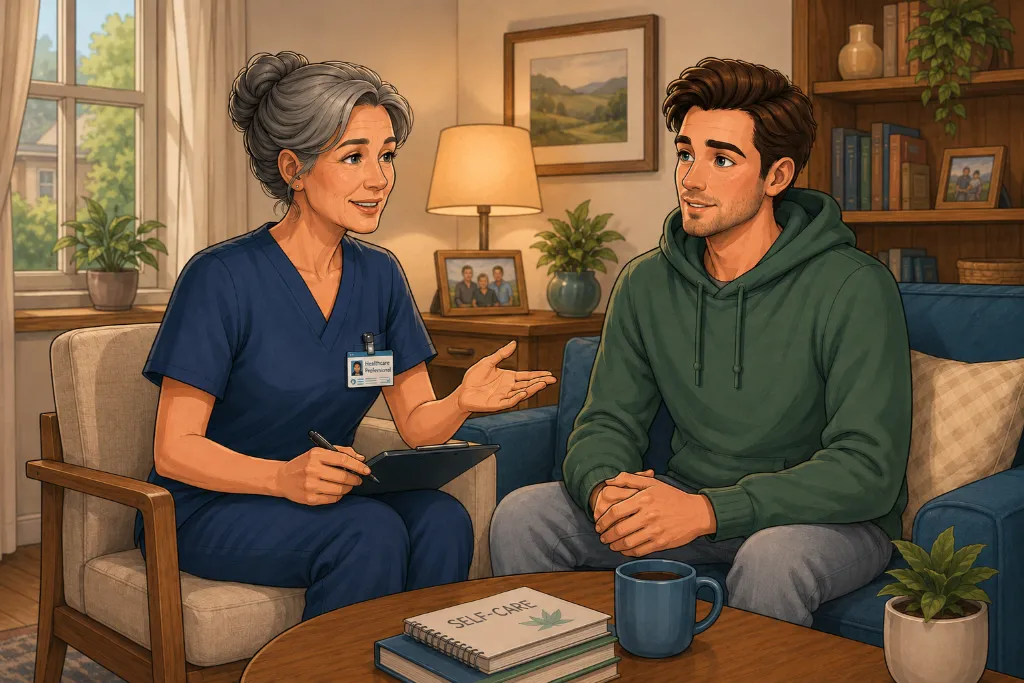
Reducing hospital readmissions has been shown to be most effective when early interventions occur. They may include follow-up calls, home visits, medication reviews, and joint working between the hospital and community teams. They all lower the odds of needing to return to acute care.
Early intervention is not just about preventing mental health crises. It’s about showing people that their concerns will be taken seriously before they escalate. When someone knows that a change in mood, sleep, or stress will be heard and addressed, they are more likely to ask for help sooner rather than waiting until a crisis is the only option left. That prompt help is usually less intensive, less disruptive, and less costly to the healthcare system than late emergency care.
Safe and Smooth Community Transitions with Nurseline Healthcare
Nurseline Healthcare’s Community Transition Services make this vulnerable phase safer and more manageable. We work with autistic people, people with a learning disability, and people with complex mental health needs to plan and support their move from hospital to community care, with a clear focus on reducing readmissions and building long-term stability.
Our multidisciplinary team, including registered mental health nurses, community psychiatric nurses, PBS specialists, therapists and experienced support workers, develops personalised plans, provides intensive support immediately after discharge, and steps down gradually as people settle into community life. We stay in close contact with individuals, families, and providers, identifying unforeseen challenges early and helping to adjust care before problems turn into crises.
If someone you care for, or someone you commission for, is preparing to leave the hospital, the right support from day one can change everything.
Reach out to Nurseline Healthcare and let’s talk about how we can help make their transition safe, steady, and genuinely theirs.