
Key Takeaways
- Rapid response teams provide urgent, community-based mental health support, reaching people in crisis quickly, often within two hours, without the need for an emergency department visit.
- The NHS long-term strategy has shifted decisively towards community-based mental health care, with rapid response teams central to that model.
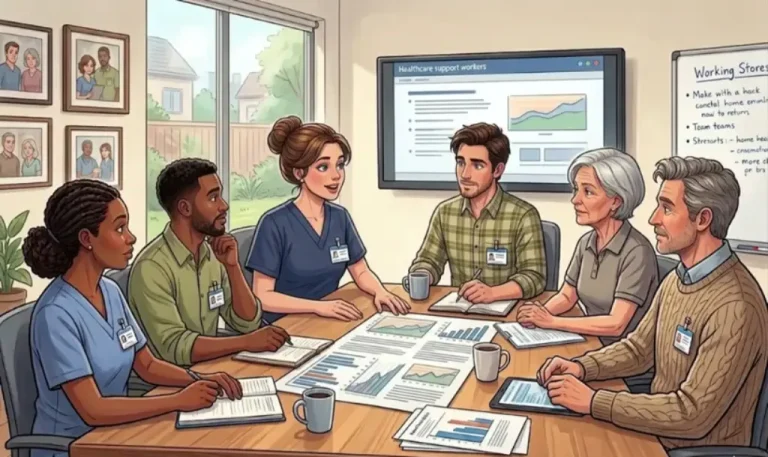
- A rapid response team typically includes mental health nurses, social workers, support workers, psychiatrists, and occupational therapists working as a coordinated, multidisciplinary unit.
- 24/7 is mandatory in mental health crisis response, as they do not follow office hours, and delayed responses increase the risk of hospital admission, self-harm, and deterioration.
- Key benefits include immediate crisis intervention, reduced hospital admissions, faster access to care, and better long-term recovery outcomes.
- Support people in their own environment, rather than in an unfamiliar hospital setting.
Why Rapid Response Matters in Mental Health
The space between a person reaching a crisis and receiving the right support is not an administrative gap but a human one. And when that gap is not closed quickly, the consequences can stretch from days into months or years.
For most people, the word “hospital” in a mental health context carries an assumption of short-term stay, which is a period of stabilisation followed by a return to ordinary life. The reality, for a significant number of people who reach acute mental health services without adequate prior support, is considerably different. Once someone enters an inpatient mental health setting in crisis, the pathway back out is rarely straightforward.
Prolonged stays are common, not always because the person’s clinical needs demand it, but because the community support required to make discharge safe:
- has not been arranged,
- is not available,
- or has broken down.
When skilled, compassionate support reaches someone at the point of crisis, in their homes and in their community, before the situation has escalated beyond what community care can hold, the likelihood of acute admission falls significantly. The person receives targeted, person-centred intervention at the moment when it is most effective, and the trajectory of their mental health is shaped by that early contact rather than by the cumulative harm of delayed help. Preventing a single acute admission preserves people’s:
- relationships.
- housing,
- daily routines,
- and their belief that recovery in their own life is possible.
For commissioners, it also represents a substantial reduction in acute care costs, freeing inpatient capacity for those whose needs genuinely require it.
Rising Mental Health Needs in the UK
The scale of mental health need across the UK has grown substantially over the past decade. According to the latest studies, around 1 in 5 adults in England now live with a common mental health condition, up from 1 in 6 in 2014. Young adults are substantially more affected than representatives from other populations.
As of late 2025, 1.8 million people are waiting for community mental health treatment. Also important here, a person experiencing a mental health crisis is being detained under the Mental Health Act every ten minutes. Of those waiting, 83% report their mental health deteriorating during the wait, a figure that has risen year on year.
Pressure on NHS and Local Services
The CQC’s Monitoring the Mental Health Act 2024/2025 report, which draws on interviews with more than 3,000 patients and over 700 family members and carers, found that increasing demand combined with higher thresholds for admission is contributing to long waits for care, with delays directly linked to people becoming more unwell and more likely to be detained under the Mental Health Act.
When the gap between referral and meaningful support widens, the people waiting in that gap do not remain stable; they deteriorate, and the level of intervention they eventually require increases. On the other side, community mental health teams are managing more referrals, often without the staffing levels of infrastructure that the volume of work demands.
The Growing Demand for Community Mental Health Support
Let’s start with the numbers first. According to the data gathered from the latest Catalyst Care Group’s White Paper Publication, almost 60% of the interviewed people reported difficulties accessing a mental health assessment.
The volume and complexity of that demand now requires models of delivery that go beyond gradual improvement, and a clear understanding of who is most at risk:
- People with serious and enduring mental health conditions
- People with a history of trauma or adverse childhood experiences
- People with co-occurring substance use and mental health difficulties
- Older adults experiencing isolation, bereavement, or cognitive decline
- People leaving inpatient care or the criminal justice system
Waiting lists for psychological therapies remain long, and people managing conditions such as anxiety, stress, psychosis, bipolar disorder, severe depression, or complex trauma frequently face extended periods with insufficient support between clinical appointments. For many, the community mental health team is their main point of contact with the health system. When that contact is insufficient or slow to respond during periods of deterioration, the risk of crisis rises sharply.
Rapid response teams fill a specific and importan role: they sit between routine community care and emergency services, offering an urgent, but non-emergency response that community mental health teams alone cannot always provide.
The Shift from Hospital to Community Care
The negative consequences of unnecessary or prolonged inpatient mental health care are well-documented, and commissioners who commission community services need to understand them clearly, because they form the most powerful case for investing in the community-based alternatives that prevent admission in the first place. For people detained or admitted to acute mental health wards, the experience can include:
- Physical restraint
- Institutional trauma
- Separation from family and community
- Loss of daily functioning
- Medication-related harm
- Retraumatisation
- Extended stays and delayed discharge
- The human cost
The NHS has moved deliberately and progressively towards community-based mental health care over the past decade, to ensure that people receive support in the least restrictive setting possible, closer to their own lives, relationships, and sources of stability.
The NHS Long Term Plan set out a clear commitment to expanding community mental health services, reducing reliance on inpatient beds, and ensuring that crises could be managed in the community wherever it was safe to do so. This shift reflects a growing body of evidence showing that:
- recovery outcomes are better when people are supported at home,
- hospital admissions carry their own risks,
- and that community-based care is more cost-effective over the long term.
Rapid response teams are a direct product of this policy direction – to provide community-first mental health care.
What Are Rapid Response Teams?
A rapid response team is a multidisciplinary group of mental health professionals trained to de-escalate crises within hours, stabilise the person, and prepare them to stay in the community, as an alternative to emergency department attendance or inpatient admission.
Rapid response teams operate under several names across different NHS trusts:
- crisis resolution teams
- home treatment teams
- crisis assessment teams
- urgent response teams
What they all share is a commitment to fast, community-based intervention. Rather than waiting for a person to attend a service or a GP to make a referral through conventional routes, rapid response teams come to the person, in their home, in a community setting, or wherever the crisis is occurring.
The goal at the point of contact is both assessment and de-escalation. A rapid response team will assess the nature and severity of the crisis, identify risk factors, engage the person in a collaborative conversation about what has happened and what would help, and put an immediate support plan in place. Where possible, the aim is to resolve the crisis in the community, avoiding the disruption, distress, and clinical risks associated with hospital admission.
When a brief inpatient stay is clinically necessary, the rapid response team can facilitate the pathway quickly and safely. In either case, what follows the initial crisis, whether a return to community support or a structured discharge back into the community, requires the same level of coordination. Services such as Community Transition Services exist specifically to provide post-crisis continuity, ensuring that the stability achieved during a crisis response is not lost as they transition back to daily life.
Who Makes Up a Rapid Response Team?
A rapid response team is typically multidisciplinary, bringing together professionals with complementary clinical skills to assess and address the full range of a person’s needs in a single, coordinated response. Core members usually include:
- Registered mental health nurses
- Social workers
- Support workers
- Mental health psychiatrist
- Occupational therapist
The multidisciplinary composition of the rapid response team reflects the reality that mental health crises rarely have a single cause or solution, and that effective crisis response requires addressing clinical, social, and personal dimensions together.
Why 24/7 Availability Is Crucial
Round-the-clock availability is the foundation on which the entire rapid response model rests. Without it, the gaps in coverage become the moments when people in crisis have nowhere to turn.

Mental Health Crises Don’t Follow Office Hours
Mental health crises are not predictable, and they do not pause for weekends, bank holidays, or the hours between five in the evening and nine the next morning. Our experience shows that crises actually intensify in the evening and overnight. It’s when isolation is more pronounced, and the emotional weight of the day has accumulated without relief. That is why rapid response teams must be reachable at the point where the person most needs them, not where the service finds it most convenient.
Reducing Pressure on Emergency Services
When 24/7 mental health crisis support is available in the community, the knock-on effect on emergency services is measurable. People who know they can contact a mental health professional directly, rather than calling 999 or going to Accident and Emergency (A&E) departments, are more likely to seek appropriate help early, before the situation escalates to the point where emergency intervention becomes necessary.
These departments are not designed to provide mental health crisis care, and the experience of attending there, including the noise, the waiting, the lack of mental health-specific expertise, can be actively harmful for someone in acute distress. Each person directed appropriately to a rapid response team, rather than to an emergency department, represents a better outcome for the person and a reduction in pressure on services that are already overstretched.
Key Benefits of Rapid Response Teams
The benefits of rapid response teams extend well beyond the immediate moment of crisis. They shape recovery trajectories, reduce long-term service dependency, and change the experience of mental health care for the people who need it most.
Immediate Crisis Intervention
The most direct benefit of a rapid response team is speed. When someone is in crisis, every hour matters, both for their immediate safety and for how the situation develops.
Rapid response teams are designed to reach people quickly, often within two hours of a referral or contact, and to provide face-to-face assessment and support in the person’s own environment. This immediacy reduces the period during which the person is unsupported, lowers the risk of the situation escalating further, and provides the kind of human, present contact that can itself be therapeutically significant for someone experiencing acute distress.
Immediate intervention also creates an earlier opportunity to understand what triggered the crisis, which is essential information for preventing a recurrence.
Reducing Hospital Admissions
One of the most well-evidenced benefits of rapid response teams is their capacity to reduce avoidable hospital admissions. By providing intensive, community-based support during a crisis, rapid response teams can resolve many situations that would otherwise result in a bed being occupied, often at the expense of the person’s quality of life.
NHS England’s Discharge to Assess model, alongside broader community transformation programmes, has demonstrated that assessment and stabilisation in the community is clinically safe and effective for a large proportion of people who might previously have been admitted. When hospital stays are avoided, people maintain their connections to home, family and community, all of which support faster and more sustained recovery.
And when a hospital stay does take place, the transition back into the community is a critical moment. Community Transition Services specifically support people with complex needs through that process, reducing the risk of readmission.
Faster Access to Care
Rapid response teams offer a more direct route to appropriate care than many conventional referral pathways. A person in crisis can access face-to-face mental health support the same day, rather than following the complete procedure:
- waiting for a GP appointment
- referral to a community mental health team
- assessment appointment that may itself take weeks to arrive
This speed matters not only at the point of crisis but also in what follows. A rapid assessment lays the foundation for a timely care plan, a prompt medication review when needed, and a quicker connection to community-based support services, including therapy, peer support, and social care.
Early Support Leads to Better Recovery
The sooner appropriate support reaches a person, the better the recovery outcome tends to be. This principle applies not only to the early stages of a mental health condition but to each point of deterioration or crisis within it. A rapid response reaches someone at the beginning of a crisis, before:
- Distress happens,
- Risk escalates,
- Relationships and daily functioning have been significantly disrupted.
The shorter the gap between the onset of the crisis and effective intervention, the less ground the person has to recover.
Supporting People in Their Own Environment
The place where support is delivered matters not just clinically but also in how the person experiences it and how it serves their well-being. The home environment carries particular significance in mental health care.
Comfort and Familiarity of Home
For many people living with mental health conditions, hospital settings can increase rather than reduce distress. Unfamiliar environments, noise, and the loss of everyday routines and personal spaces can be disorienting and destabilising, particularly for people with conditions that make sensory or environmental changes especially difficult to manage.
Receiving crisis support at home removes these barriers. The person remains in a familiar space and within their or their family’s control. They are surrounded by the people, objects, and routines that provide comfort and retain a sense of agency over their situation, which is often absent in an inpatient setting. This environmental continuity is an active therapeutic factor that can meaningfully influence how quickly and fully a person stabilises following a crisis.
Person-Centred and Flexible Care
Rapid response care delivered in the community is, by its nature, more adaptable to the individual than the structured routines of a hospital ward. A team arriving at someone’s home can observe that person in their actual context, understanding how they live, what matters to them, what practical factors are contributing to their distress, and respond accordingly. This allows care to be genuinely shaped around the person rather than around institutional processes.
Support plans developed during a rapid response can incorporate the person’s own coping strategies, the role of their support network, and the specific environmental or social factors that need to be addressed, producing a response that is both clinically informed and meaningfully personalised.
Continuity of Care After Crisis
A rapid response team’s involvement does not end at the point of immediate stabilisation. The period following a crisis is one of particular vulnerability, and continuity of support during this time is strongly associated with reduced readmission and more sustained recovery. Effective rapid response includes:
- a structured handover to the ongoing care team
- a clear plan for follow-up
- communication with families and carers who will continue to support the person day-to-day
When someone has completed inpatient care and is returning to the community, that transition phase carries its own risks, which is why specialist services like Community Transition Services are so important. Their work begins where the rapid response ends: building the stability, relationships, and practical foundations that allow someone to thrive in community life over the longer term.
Nurseline Healthcare Can Respond Fast in Crisis Situations
At Nurseline Healthcare, we operate 24/7, ensuring that mental health providers can maintain a safe, experienced cover during periods of acute demand, crisis escalation, or unexpected staff absence. We are carefully matching our staff to each person’s needs and the specific requirements of the service, so that urgent placements maintain the quality and continuity that people in crisis rely on.
Our Community Transition Services support people with complex mental health needs, learning disabilities, and autism through the critical transition from hospital back into community living.
Together, our services address the full arc of crisis response and recovery: from the moment urgent support is needed to the point where a person is stable, supported, and living on their own terms in the community. If you would like to learn more about how Nurseline Healthcare can support your services in responding effectively to crisis situations, feel free to reach out to our team.
Frequently Asked Questions
Who can refer someone to a rapid response or crisis team?
Referrals can come from different sources: GPs, community mental health teams, A&E departments, and, in many areas, people themselves or their family members via NHS 111. The specific referral pathways vary by NHS trust and local area, so checking your local mental health trust’s website is the quickest way to find the right route. Some areas also accept direct self-referrals to urgent mental health support lines, which can triage callers and connect them to their local rapid response team.
How does a rapid response team differ from a standard community mental health team?
A community mental health team provides ongoing, planned support to people living with serious and enduring mental health conditions, typically through scheduled appointments and regular reviews. A rapid response team provides urgent, time-sensitive intervention specifically during a crisis. The two are complementary: the rapid response team stabilises the situation, and the community mental health team provides the ongoing framework of care around it. In practice, there is often close coordination between both teams during and after a crisis.
What happens if someone needs hospital care despite a rapid response?
When a rapid response team assesses that a hospital admission is clinically necessary, whether informally or under the Mental Health Act, they facilitate that pathway quickly and safely. Their role does not end at admission; effective rapid response includes a clear handover to inpatient teams and a plan for what community support will look like upon discharge.
Can rapid response teams support people with conditions beyond acute psychiatric crisis?
Yes. While rapid response teams are most commonly associated with acute psychiatric presentations, such as psychosis, severe depression, or suicidal ideation, they also support people experiencing crisis related to anxiety disorders, personality disorders, trauma responses, and co-occurring conditions. The team’s composition and the support offered are tailored to the individual’s specific needs and presentation.